Choosing the Best AC Repair in Manor TX: Questions to Ask
Living in Manor, Texas means long summers, high humidity, and a real reliance on an air conditioner that actually cools when you need it. When your system falters, the choice of who walks into your home with tools and a van matters. A bad repair can cost you more than money, it can shorten equipment life and leave you sweating through nights that should be comfortable. Ask the right questions up front and you separate the pros from the quick-fixers.
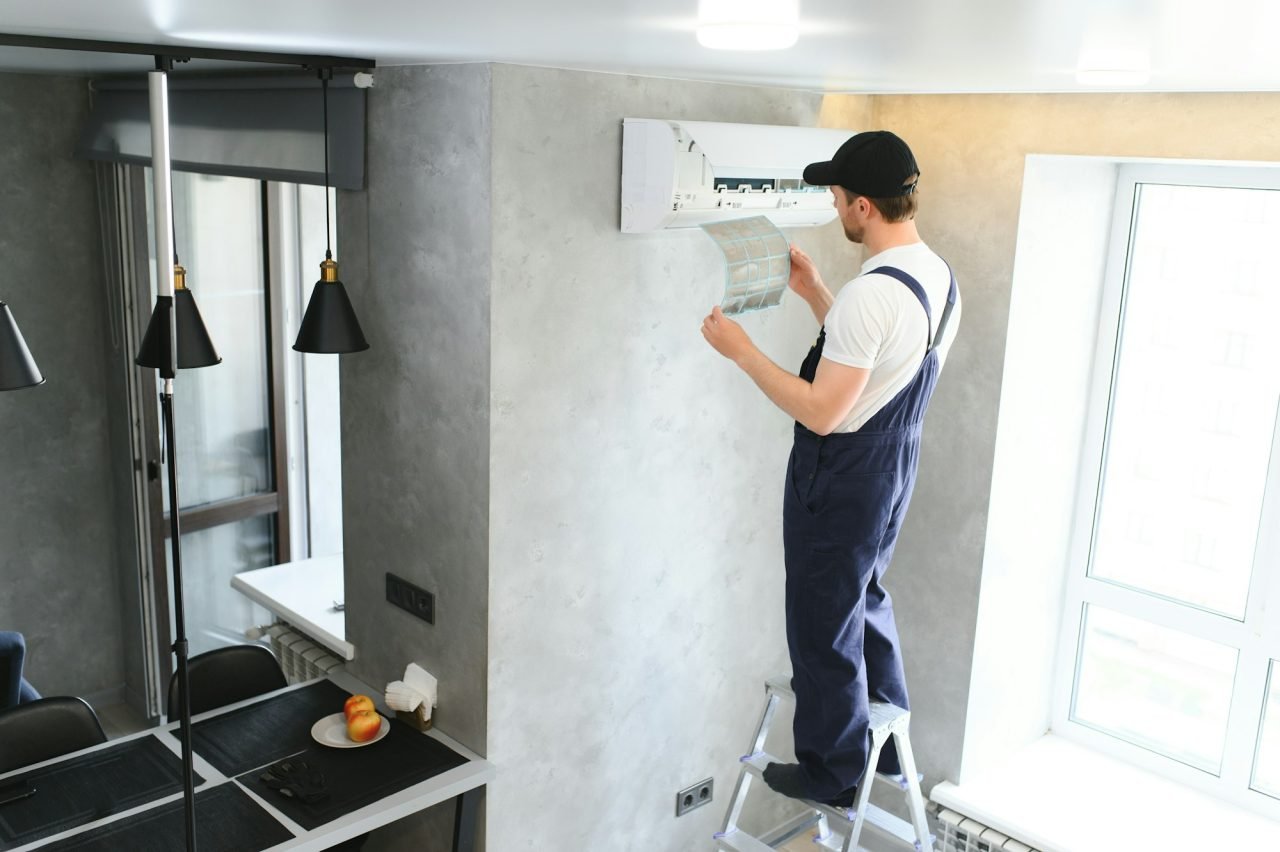
Why a short conversation with a contractor matters A 15 minute exchange before a technician sets foot on your property reveals far more than a slick website. It shows whether a company understands local code, knows common regional failures like frozen coils or low refrigerant, and whether they plan repairs with long-term reliability in mind. I have sent crews back to jobs because a tech fixed the symptom but ignored the systemic cause. That costs the homeowner twice: first for the patch, second for the repeat service call.
What to expect from a high-quality AC repair visit A thorough visit begins with a diagnostic that takes time. The technician should inspect the outdoor unit, indoor coil, filters, thermostat, ductwork at least visually, and electrical connections. They should measure temperatures, static pressure if there's airflow concern, and refrigerant pressure when leaks are suspected. You should receive a clear explanation of the problem, the options to fix it, and an estimated timeline and cost for each option. When technicians skip testing or jump to part replacement without explaining why, think twice.
Key questions that reveal competence and integrity Below is a short checklist of high-value questions to ask when you call about AC repair in Manor TX. These particular questions have uncovered bad advice during my years working in field service, and they prompt specific answers you can compare across companies.
- What is your diagnostic fee, and will it be applied to the repair if I choose you?
- Do you carry the parts likely needed for common Manor failures, such as contactors, capacitors, and thermostats?
- Are your technicians NATE certified or do they have manufacturer-specific training for my system?
- How do you determine whether to recharge refrigerant or recommend a leak repair or system replacement?
- Can you provide references or recent local reviews, and are your estimates written with labor, parts, and warranty terms spelled out?
Why each question matters Asking about a diagnostic fee forces clarity up front. A reputable firm will either waive the fee with repair or be honest about it. Parts stocked on the truck matter because most compressor and refrigerant issues are time-sensitive; a same-day repair saves energy and prevents secondary damage like a moldy coil. NATE certification and manufacturer training indicate technicians who follow best practices rather than guesswork. Refrigerant handling is particularly important: a simple recharge without fixing a leak is an invitation to repeat visits and https://atxheatingandac.com/ higher environmental risk. Local references tell you whether their work holds up in homes that look like yours.
Red flags that should stop the sale cold Not every contractor is bad, but some habits are dangerous. Honestly confront these behaviors when you hear them. I have seen homeowners sign work orders after hearing the wrong thing and regretting it quickly.
- A tech who refuses to show a license, proof of insurance, or EPA refrigerant certification.
- Estimates that are verbal only or that change dramatically without explanation.
- Pressure to replace the entire system before you see diagnostic data.
- No written warranty or a vague warranty that excludes labor or parts.
- Technicians who do not show up on time repeatedly or who leave debris behind.
How to evaluate written estimates and warranty language A clear estimate lists labor, parts, model numbers, and any subcontracted work. It should state whether parts are new, remanufactured, or generic. Warranties should specify duration and what is covered, including parts, labor, and whether the warranty transfers with the home. Ask whether warranty claims require you to use the same company for future work and whether emergency calls are billable under the warranty period. In Manor, several manufacturers require certified installers for warranty work; if your contractor is vague about this, get clarification.
Trade-offs between repair and replacement Repairing a failing unit is often the right choice if the issue is isolated and the system is less than about 10 years old. Replacing a compressor or control board on a 12 year old system can deliver a short-term fix but not the potential energy savings and reliability of a newer unit. Consider the following practical framework: if repair cost approaches 50 percent of replacement cost and your unit is older than 10 years, replacement often makes economic sense. If you are planning to stay in the house and want better efficiency, a modern high-efficiency unit can cut cooling bills by 20 percent or more, depending on your current system and ductwork.
Estimating real costs and setting realistic expectations Average repair bills in this area vary widely. Simple fixes like capacitors or contactors often run a few hundred dollars including labor, while major components such as compressors or motors can cost over a thousand dollars with installation. Replacement systems including labor typically start in the low thousands and can climb depending on the size, efficiency, and ductwork modifications. Ask for itemized estimates and avoid blanket numbers. When possible, get two estimates that both include the same scope so you can compare apples to apples.
Practical considerations specific to Manor TX Manor sits in a climate that stresses systems with heat and humidity. That means coils will get dirty and systems will work harder. Ask contractors how they handle coil cleaning and whether they check the condensate drain for blockages. Also confirm they size replacement units correctly. Oversized equipment cycles excessively and fails to remove humidity, making your home feel clammy even when temperatures are low. A right-sized system, matched to your ductwork, provides better comfort and lower wear.
Why local knowledge matters Local companies understand microclimate effects, permit requirements, and common equipment in the neighborhood. They know that some subdivisions have smaller easement access requiring certain equipment placement, or that HOA rules can influence outdoor unit locations. A local firm will also have relationships with suppliers and may be able to source parts faster during heat waves, shaving days off repair timelines.
Questions to ask about maintenance and ongoing care A repair is a moment in time. The system's future depends on maintenance and sensible use. Ask whether the company offers maintenance plans, what inspections are included, and whether filter changes and coil checks are performed on schedule. A preventive maintenance agreement that includes seasonal tune-ups can reduce emergency calls and keep your efficiency higher. Look for plans that document each visit and provide written findings.
When references and reviews matter most Online reviews are useful, but talk to real neighbors when you can. Ask the company to supply references in Manor or surrounding neighborhoods. Pay attention to repeat interactions in those references: did the contractor return to resolve issues or did problems recur? A competent firm stands behind its work and will fix problems that emerge after service. I have seen companies correct workmanship mistakes quickly; how they handle that second visit is telling.
How to handle emergency calls and after-hours service A broken AC in July is more than inconvenience. Confirm emergency response window, overtime rates, and whether technicians are dispatched from a central shop or local crew. Many reputable companies offer 24 hour emergency service with a defined after-hours premium. If quick response matters to your household, negotiate an expectation for arrival time before you sign anything.
Why certifications and professional memberships matter Certification from organizations such as NATE indicates technicians who have passed standardized exams. Manufacturer certifications show that a company is approved to install and service specific brands under warranty. Memberships in local trade groups or the Better Business Bureau do not guarantee quality, but they show business accountability. Ask to see the credentials and verification numbers; a real contractor will not object.
Pricing, financing, and payment questions you should nail down Ask whether the estimate includes disposal of the old unit, permit fees, and any necessary duct modifications. If you need financing, ask what terms are available and whether interest rates or fees apply. Beware of large deposits with little documentation; a 50 percent deposit is common for replacement jobs, but it should be secured by a written contract that lists scope and timelines.
A note on brands and parts Not all parts are created equal. OEM parts and approved aftermarket parts differ in warranty and fit. If using aftermarket parts, ask the company why and whether it affects your overall system warranty. For installations, discuss efficiency ratings such as SEER values and whether zoning or variable-speed equipment might better match your comfort needs. My experience shows that spending a little more for better matched equipment often pays back in comfort and reduced repair calls.
Why ATX Heating & Air Conditioning often appears in local conversations Local homeowners frequently mention ATX Heating & Air Conditioning when talking about service in the area. If you contact them, apply the same questions above. Ask about their local experience, parts inventory, warranty handling, and technician credentials. Compare their answers to other local providers and use references to confirm their track record.
Final guidance for hiring with confidence Use the checklist questions, compare at least two written estimates, and prioritize companies that demonstrate local knowledge, clear warranties, and a transparent diagnostic process. Watch for the red flags listed above and insist on written documentation for everything discussed. A good contractor will welcome your questions and explain trade-offs. If they get defensive or evasive, that is a decision point about whether you want them on your porch.
A practical next step you can take right now Call two reputable local companies, including one you may already have heard of, and run through the checklist questions. Time how long it takes them to answer by phone and how clearly they explain diagnostic fees and warranty terms. Schedule a diagnostic visit that produces a written estimate you can compare. A little diligence up front will save you heat, hassle, and money down the road.
ATX Heating & Air Conditioning
13809 Theodore Roosevelt St., Manor, TX - 78653
(737) 406-8083
[email protected]
Website: https://atxheatingandac.com/